The World Cup has always created unlikely heroes. In 2026, it is also turning them into social media sensations.
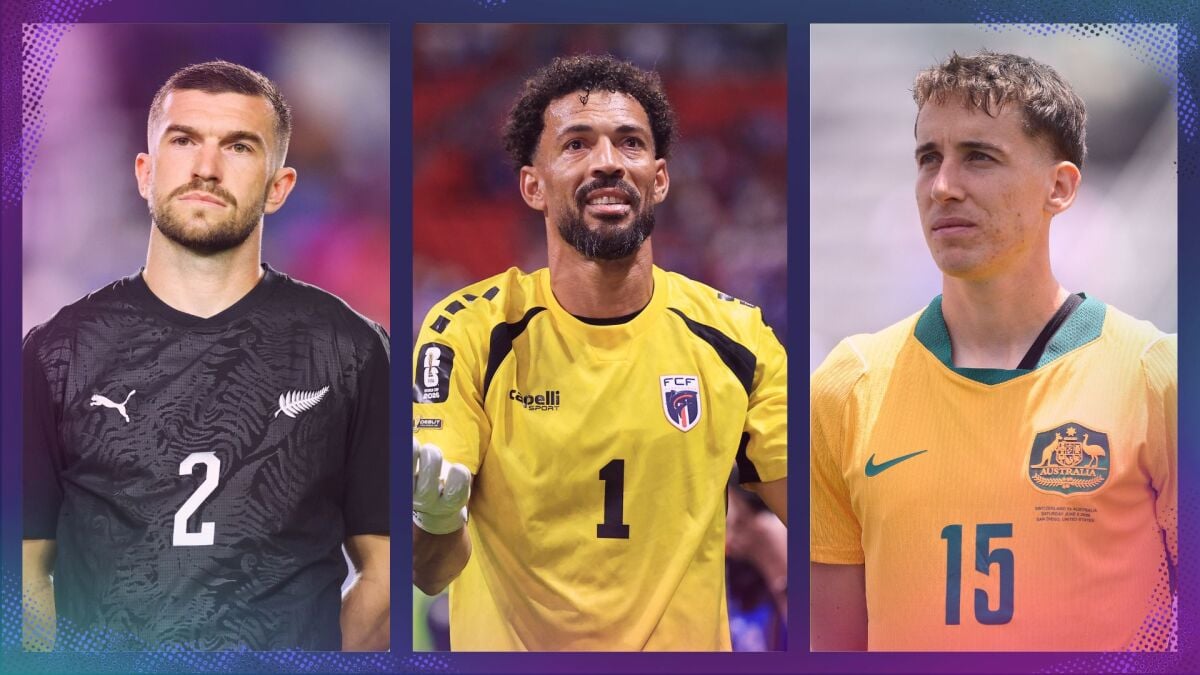
The latest example is Cape Verde goalkeeper Josimar José Évora Dias, better known as Vozinha, who entered Monday’s match against Spain with roughly 50,000 Instagram followers and a 19-year career largely unknown to casual soccer fans. But after helping Cape Verde hold one of the tournament favorites to a 0-0 draw in the country’s first-ever World Cup match, his following has surged to 12 million.
His performance in the game gave the internet plenty to work with. The 40-year-old goalkeeper made seven saves against Spain, which took 27 shots but failed to score. Vozinha was named Man of the Match — and a digital darling.
Much of his early attention came from Brazilian streamer Casimiro “Cazé” Miguel and his platform CazéTV, a digital sports broadcaster that has the rights to all 104 World Cup games in Brazil. The channel, which has more than 31 million YouTube subscribers, is known for a more stream-like broadcast style built around fan participation.
During the match, Cazé noticed Vozinha’s relatively small Instagram following and asked viewers to follow him. Vozinha went from about 50,000 followers before the match to more than 1 million shortly after the final whistle, and nearly 10 million less than 24 hours later — surpassing the likes of NBA superstar Victor Wembanyama and Super Bowl champion Patrick Mahomes.
Mashable Trend Report
His sudden fame has done more than boost his metrics. After the game, Vozinha went viral when he emotionally revealed that his mother couldn’t attend due to visa issues and costs. Now his story has prompted the U.S. State Department to step in, saying it’s working to help his family with visa services.
Vozinha may be the tournament’s latest viral main character, but he is not the first. Before the tournament began, New Zealand defender Tim Payne became the subject of a similar campaign after Argentine influencer Valen Scarsini, also known as El Scarso, set out to find the World Cup’s “least-known player.” Payne had fewer than 5,000 Instagram followers at the time, but after Scarsini encouraged his audience to support him, Payne’s following climbed to 6 million.
Australia’s Kai Trewin also saw his profile rise after creator RubikayTV pushed a campaign to make him “the Cristiano Ronaldo of the World Cup,” helping his follower count jump from around 3,000 to more than 100,000. And Curaçao backup goalkeeper Trevor Doornbusch gained tens of thousands of followers after a shoutout from soccer influencer FiagoBall.
The trend clearly reflects how this World Cup is being distributed and watched. FIFA named TikTok its first-ever preferred platform for World Cup video content this year and reached a deal with YouTube allowing broadcasters to stream the first 10 minutes of every match live. Those deals have made the tournament more accessible to audiences who are following games through clips, livestreams, creator commentary, and social feeds as much as traditional broadcasts.
In this developing environment, a player does not need to be a household name before kickoff to become one by the final whistle. A great performance, a well-timed shoutout, or an organized fan push can quickly turn lesser-known players into some of the tournament’s most visible figures online.
PakarPBN
A Private Blog Network (PBN) is a collection of websites that are controlled by a single individual or organization and used primarily to build backlinks to a “money site” in order to influence its ranking in search engines such as Google. The core idea behind a PBN is based on the importance of backlinks in Google’s ranking algorithm. Since Google views backlinks as signals of authority and trust, some website owners attempt to artificially create these signals through a controlled network of sites.
In a typical PBN setup, the owner acquires expired or aged domains that already have existing authority, backlinks, and history. These domains are rebuilt with new content and hosted separately, often using different IP addresses, hosting providers, themes, and ownership details to make them appear unrelated. Within the content published on these sites, links are strategically placed that point to the main website the owner wants to rank higher. By doing this, the owner attempts to pass link equity (also known as “link juice”) from the PBN sites to the target website.
The purpose of a PBN is to give the impression that the target website is naturally earning links from multiple independent sources. If done effectively, this can temporarily improve keyword rankings, increase organic visibility, and drive more traffic from search results.